Blood pressure is written as two numbers. The top number is systolic pressure, and the bottom number is diastolic pressure. A single high reading does not always mean you have hypertension, but repeated high readings should be reviewed with a healthcare provider.
Many things can affect blood pressure, including stress, pain, caffeine, smoking, salt intake, sleep, weight, activity level, medications, kidney health, thyroid problems, and family history. Because blood pressure changes during the day, home readings can be very helpful when they are taken correctly.
When Telehealth May Help
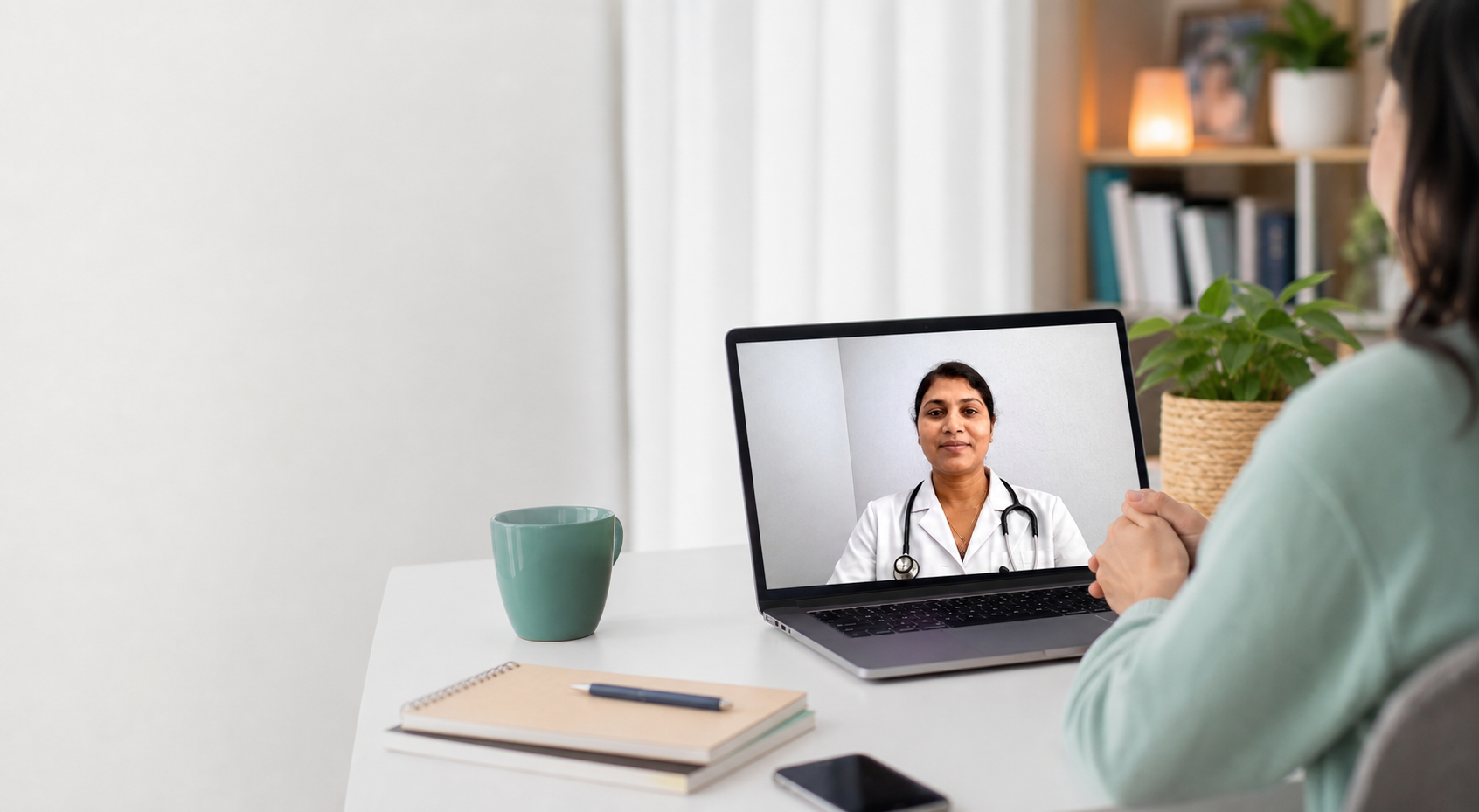
Telehealth may help with routine hypertension follow-up, home blood pressure log review, medication refill discussions, side effect review, lifestyle counseling, lab review, and deciding whether your treatment plan needs adjustment.
During a telehealth visit, your provider may ask about your recent readings, how you measure blood pressure at home, current medications, missed doses, side effects, chest symptoms, headaches, dizziness, swelling, kidney history, diabetes, cholesterol, smoking, diet, activity, and sleep.
Home Blood Pressure Monitoring
Home blood pressure monitoring can make telehealth care safer and more useful. Use an upper-arm cuff when possible, sit with your back supported, keep both feet on the floor, rest quietly before checking, keep your arm supported at heart level, and avoid talking during the reading.
Write down the date, time, reading, heart rate, and any symptoms. Bring several readings to your visit instead of relying on one number. If your readings are very different from each other, your cuff size, body position, timing, or technique may need review.
Medication and Lifestyle Support
Some people manage blood pressure with lifestyle changes, and some need medication. A care plan may include reducing sodium, following a heart-healthy eating pattern, regular physical activity, limiting alcohol, stopping tobacco, improving sleep, managing stress, and taking medications consistently.
Do not stop blood pressure medication suddenly unless a healthcare provider tells you to. If you are having side effects, low readings, dizziness, or trouble affording medication, a telehealth visit can help review safer options.
When Telehealth Is Not Enough
Telehealth cannot do a physical exam, EKG, blood draw, urine testing, or imaging during the visit. Some high blood pressure situations need in-person evaluation, especially if symptoms suggest possible heart, brain, kidney, or eye involvement.
If your blood pressure is 180/120 mm Hg or higher, sit quietly and recheck it. If it stays very high but you have no symptoms, contact a healthcare professional promptly for guidance. If high blood pressure is accompanied by warning symptoms, treat it as an emergency.
Call 911 or go to the emergency room immediately if high blood pressure happens with chest pain, shortness of breath, severe headache, confusion, weakness, numbness, facial drooping, vision changes, trouble speaking, fainting, severe back pain, or any life-threatening symptom.
How TeleDNPnow Can Support You
At TeleDNPnow, we can provide hypertension telehealth follow-up for patients residing in Arizona when symptoms are stable and non-emergency. Care may include home blood pressure review, medication and side effect review, refill discussion, lifestyle support, lab discussion, and referral for in-person care when needed.
High blood pressure management is a long-term partnership. Telehealth can help you stay connected, track progress, and make a plan that fits real life.
This article is for educational purposes only and does not replace medical advice, diagnosis, or treatment. High blood pressure can be dangerous even without symptoms. If your blood pressure is very high or you have chest pain, shortness of breath, stroke symptoms, severe headache, confusion, fainting, or vision changes, seek emergency care immediately.