High blood pressure, also called hypertension, often does not cause noticeable symptoms. Because of this, many people may not realize their blood pressure is still high unless they check it regularly. Even when you feel fine, uncontrolled blood pressure can increase the risk of stroke, heart disease, kidney problems, vision problems, and other serious health concerns over time.
Regular follow-up visits are an important part of managing high blood pressure. A follow-up visit gives your provider a chance to review your home blood pressure readings, check how your medication is working, discuss side effects, review lifestyle habits, and decide whether any changes are needed. Blood pressure care should be based on patterns over time, not just one reading.
Why Home Readings Matter
Home blood pressure readings can be very helpful during follow-up visits. Try to keep a log with the date, time, blood pressure number, heart rate, and any symptoms. Bring or share your readings during your telehealth visit. If your readings are often higher than your goal, your provider may discuss medication adjustment, lifestyle changes, lab monitoring, or closer follow-up.
Medication Safety
It is important to take blood pressure medication exactly as prescribed. Do not stop medication just because you feel better or because one reading looks normal. Blood pressure can rise again when medication is missed or stopped. If you are having side effects, dizziness, swelling, cough, frequent urination, or concerns about your medication, discuss this with your provider before making changes.
Lifestyle Habits Can Support Better Control
Lifestyle habits also play an important role in blood pressure control. Reducing sodium, staying active as tolerated, limiting alcohol, avoiding tobacco or nicotine, managing stress, sleeping well, maintaining a healthy weight, and following your care plan can all support better blood pressure control.
When Telehealth Can Help
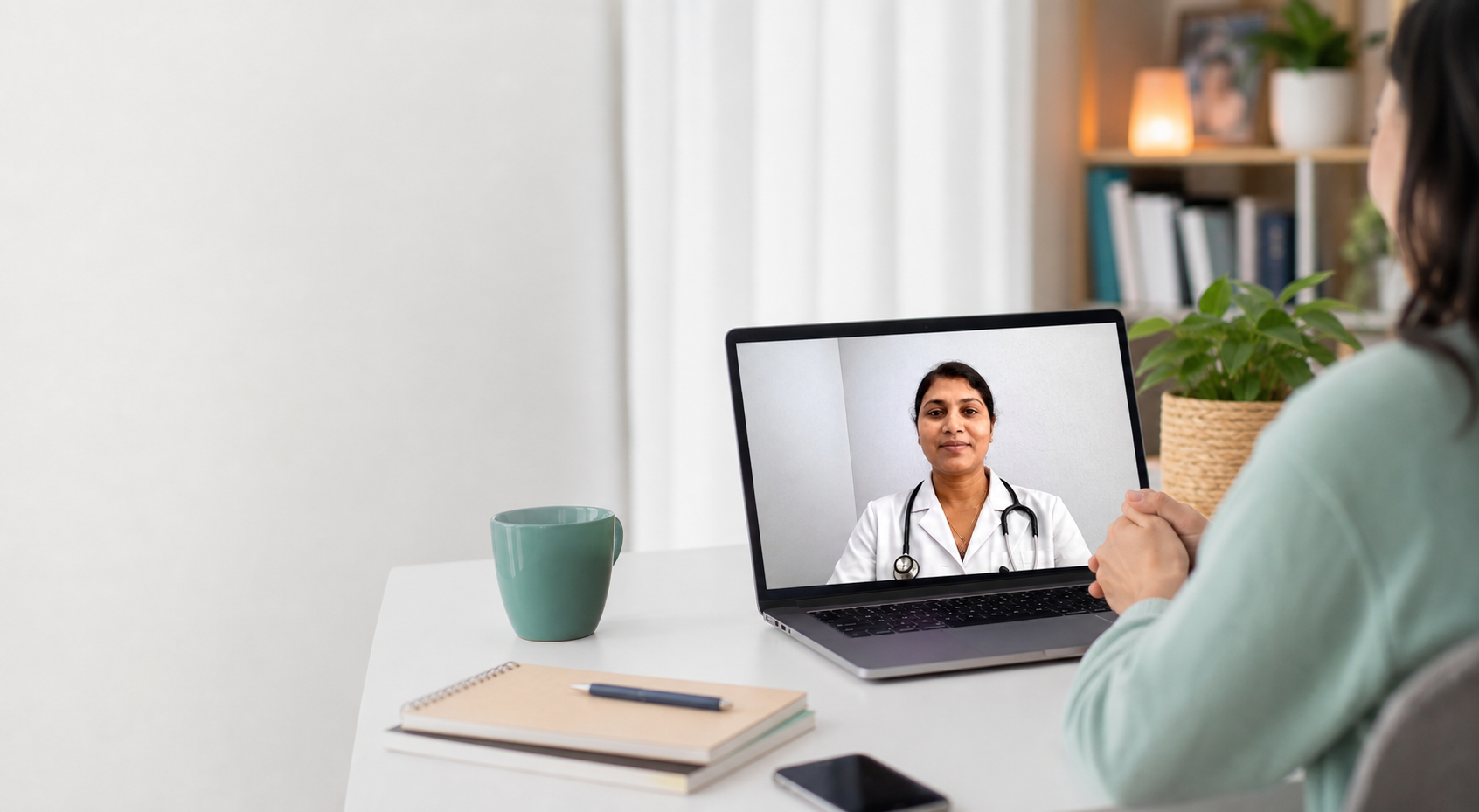
Telehealth can be helpful for appropriate high blood pressure follow-up when you have home readings available. During a virtual visit, your provider can review your blood pressure log, medications, symptoms, risk factors, and next steps. Some patients may also need lab work, kidney function monitoring, medication monitoring, or in-person evaluation depending on their health history.
When to Seek Urgent Care
Some symptoms should not wait for a routine visit. Seek urgent or emergency care if you have chest pain, severe shortness of breath, weakness on one side of the body, facial drooping, trouble speaking, confusion, fainting, severe headache, vision changes, or very high blood pressure readings with concerning symptoms.
How TeleDNPnow Can Support You
At TeleDNPnow, we help patients residing in Arizona stay on track with high blood pressure follow-up through convenient telehealth visits when appropriate. Our goal is to help you understand your readings, review your medications safely, and build a practical plan for better long-term health.
If you have high blood pressure and need follow-up care, schedule a telehealth visit with TeleDNPnow today.
Educational Disclaimer
This article is for educational purposes only and does not replace medical advice, diagnosis, or treatment. High blood pressure management should be individualized based on your medical history, medications, symptoms, and risk factors. If you have emergency symptoms, call 911 or seek emergency medical care immediately.