Diabetes is a long-term condition that requires regular monitoring, follow-up, and support. Whether you have type 2 diabetes, prediabetes, or a history of elevated blood sugar, follow-up care is important to help reduce the risk of complications and support better long-term health.
Many people with diabetes do not always feel symptoms when blood sugar is high or low. This is why regular check-ins, home glucose readings, lab monitoring, medication review, and lifestyle support are important parts of diabetes care.
When Telehealth Can Help
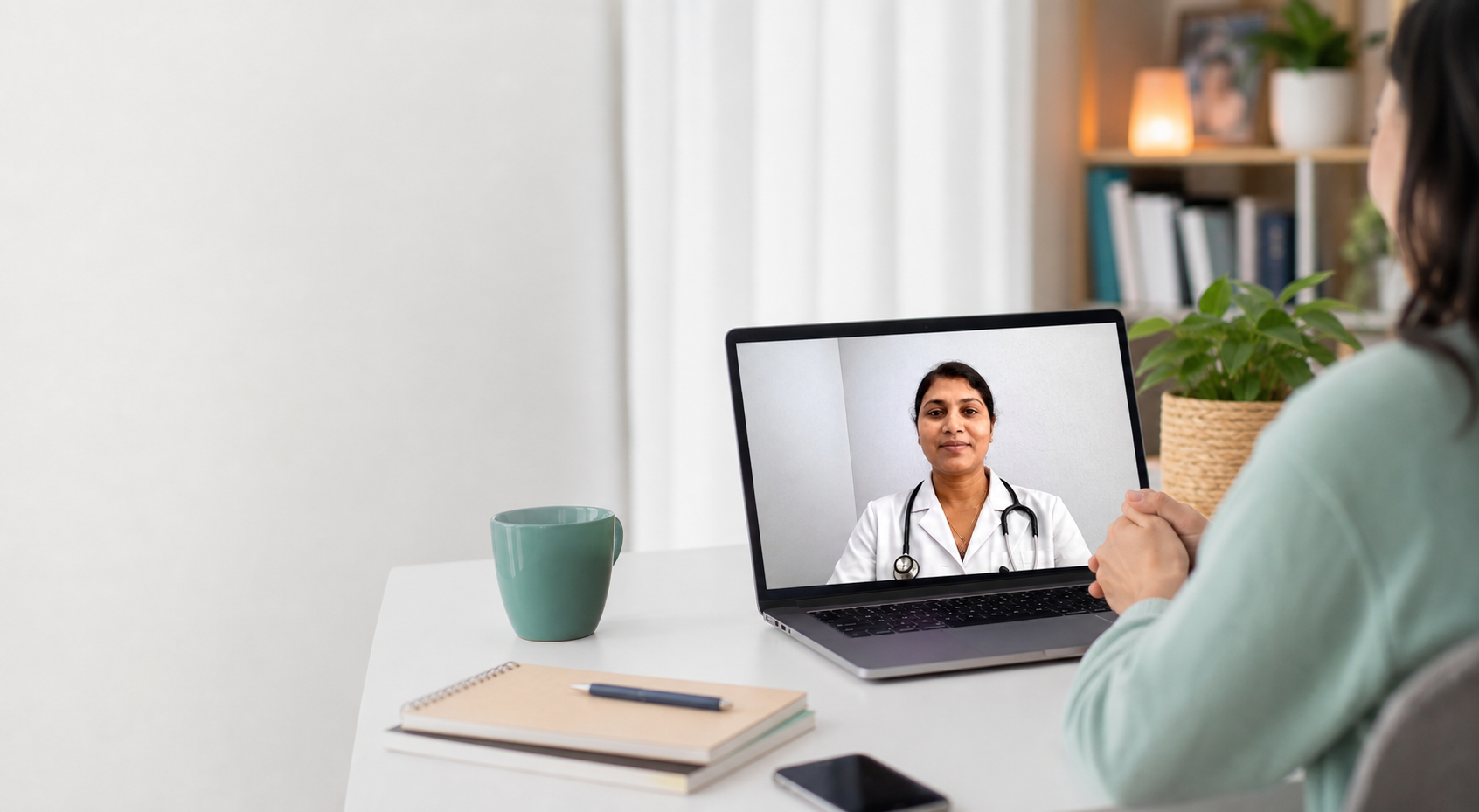
Telehealth can be helpful for appropriate diabetes follow-up when you have home readings or recent lab results available. During a virtual visit, your provider may review your blood sugar log, A1C results, medications, side effects, diet habits, activity level, weight changes, blood pressure, cholesterol, kidney function, and any symptoms you may be experiencing.
Home Monitoring Matters
Home monitoring can help your provider understand your blood sugar patterns. If you check your blood sugar at home, keep a log with the date, time, reading, whether it was fasting or after meals, and any symptoms such as shakiness, sweating, dizziness, confusion, increased thirst, frequent urination, fatigue, or blurry vision. If you use a continuous glucose monitor, your trends may also be helpful to review.
Medication Review
Medication review is an important part of diabetes follow-up. Your provider may ask whether you are taking medications as prescribed, missing doses, having low blood sugar symptoms, experiencing side effects, or having difficulty affording medications or supplies. Do not stop or change diabetes medications without speaking with a healthcare provider.
Lifestyle Support
Healthy habits are also important for diabetes management. Nutrition, portion control, regular meals, physical activity as tolerated, hydration, sleep, stress management, weight management, and medication adherence can all support better blood sugar control over time.
When to Seek Urgent Care
Some diabetes symptoms should not wait for a routine telehealth visit. Seek urgent or emergency care if you have confusion, fainting, severe weakness, severe dehydration, persistent vomiting, chest pain, severe shortness of breath, severe abdominal pain, signs of stroke, very high blood sugar with feeling very ill, or low blood sugar that does not improve with treatment.
Some diabetes care may require in-person evaluation, lab testing, foot exam, eye exam, kidney monitoring, medication adjustment, or specialist care. Telehealth can support follow-up and education, but it does not replace all in-person diabetes care.
How TeleDNPnow Can Help
At TeleDNPnow, we support patients residing in Arizona with convenient telehealth diabetes follow-up when appropriate. Our goal is to help you understand your numbers, review medications safely, discuss lifestyle steps, and create a plan that supports long-term health.
If you have diabetes or elevated blood sugar and are residing in Arizona, schedule a telehealth visit with TeleDNPnow to review your readings, labs, and next steps.
Educational Disclaimer
This article is for educational purposes only and does not replace medical advice, diagnosis, or treatment. Diabetes care should be individualized based on your medical history, medications, symptoms, blood sugar readings, lab results, and risk factors. If you have emergency symptoms or very high or very low blood sugar with severe symptoms, call 911 or seek emergency medical care immediately.